New York City has long been considered the financial capital of the world. Home to Wall Street, global investment banks, and major financial institutions, the city has naturally evolved into one of the most powerful fintech hubs on the planet. Over the past decade, hundreds of startups have emerged across Manhattan, Brooklyn, and the broader New York ecosystem, developing technologies that transform banking, payments, lending, and financial infrastructure.
Today, New York hosts more than 300 fintech startups with over $21 billion in combined funding, making it one of the most active fintech ecosystems globally.
These companies are reshaping how businesses manage money, how consumers access financial services, and how institutions handle compliance and risk. From AI-driven financial platforms to blockchain infrastructure and modern corporate banking tools, the fintech sector in New York continues to grow rapidly.
Below are some of the top fintech startups based in New York to watch, highlighting the companies leading innovation in 2026 and beyond.
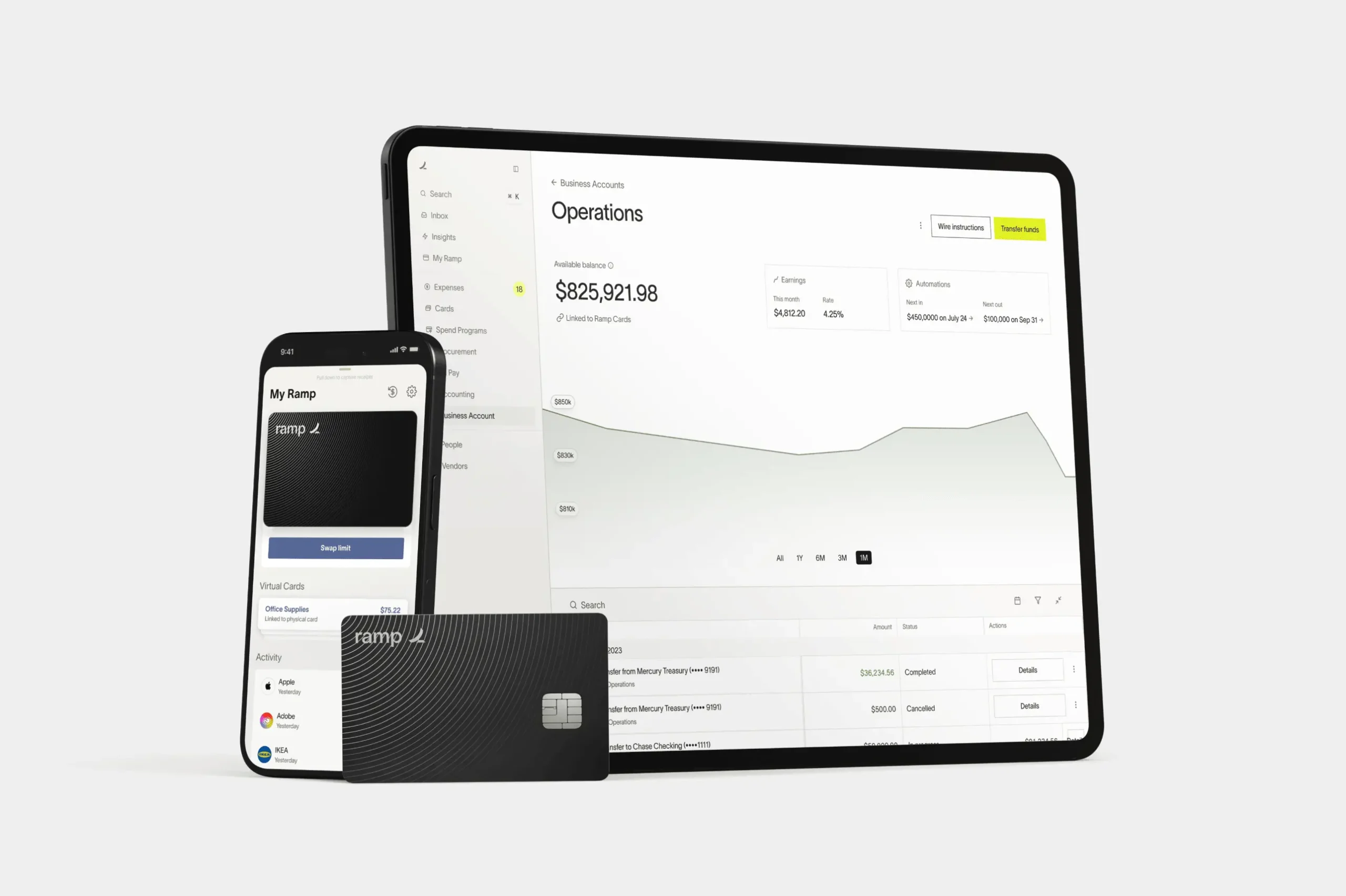
1. Ramp
Founded in 2019, Ramp has quickly become one of the fastest-growing fintech startups in the world. The company provides corporate cards and an AI-powered spend management platform designed to help businesses control expenses and optimize financial operations.
Ramp’s technology automatically categorizes spending, detects duplicate payments, and identifies cost-saving opportunities for companies. Its AI system can even negotiate vendor contracts and automate expense reporting.
The startup has experienced explosive growth. By 2025, Ramp reached a $22.5 billion valuation after raising $500 million in new funding and now processes tens of billions of dollars in payments annually.
Many investors see Ramp as a major competitor to traditional corporate expense tools and financial software providers.
Why it matters
- AI-driven corporate finance automation
- Rapid revenue growth
- Strong adoption among startups and large enterprises
Ramp is widely considered one of the most influential fintech startups emerging from New York.
2. Clear Street
Clear Street is a fintech startup modernizing the infrastructure behind Wall Street trading.
Traditional brokerage infrastructure relies on outdated systems and manual processes. Clear Street is building a cloud-native prime brokerage platform designed to simplify clearing, custody, and trading operations for hedge funds and financial institutions.
The company has gained major traction with institutional investors and reportedly filed for a potential $1 billion IPO, signaling strong demand for its technology.
Why it matters
- Modernizes trading infrastructure
- Serves hedge funds and institutional investors
- Potential large-scale public offering
Clear Street represents the next generation of fintech infrastructure companies.
3. Rho
Rho is a financial platform designed specifically for startups and growing businesses. Instead of relying on traditional banks, companies can use Rho to manage corporate banking, payments, and accounting workflows in a single platform.
Founded in 2018, the company provides:
- corporate credit cards
- automated accounts payable tools
- accounting automation
- business banking services
Rho has raised over $200 million in funding and serves thousands of companies ranging from early-stage startups to mid-sized enterprises.
Why it matters
- Designed for modern startup finance teams
- Integrates banking, cards, and accounting
- Strong venture backing
As the startup ecosystem continues to grow, platforms like Rho are becoming essential financial infrastructure for new companies.
4. Alloy
One of the biggest challenges in financial technology is fraud prevention and identity verification. Alloy is addressing this issue by building a platform that helps banks and fintech companies verify customer identities and comply with regulatory requirements.
The company’s system connects financial institutions with multiple data sources to perform identity checks, fraud detection, and compliance verification in real time.
With increasing regulatory pressure and rising online fraud, platforms like Alloy are becoming critical infrastructure for fintech companies and banks alike.
Why it matters
- Helps banks comply with Know-Your-Customer (KYC) regulations
- Reduces fraud and identity theft
- Used by fintech platforms and traditional banks
Fraud prevention technology is expected to become even more important as digital banking expands globally.
5. Petal
Petal is a fintech startup focused on financial inclusion. The company provides credit cards designed for people with little or no credit history, including young consumers, immigrants, and first-time borrowers.
Unlike traditional credit card issuers that rely heavily on credit scores, Petal uses alternative data—such as income and spending behavior—to evaluate creditworthiness.
This model allows millions of people who are often rejected by traditional banks to access credit.
Why it matters
- Expands financial access to underserved consumers
- Uses alternative data for credit scoring
- Targets younger and digitally native users
Financial inclusion remains one of the most important missions in fintech, and companies like Petal are leading the way.
6. DailyPay
DailyPay is transforming how employees access their wages.
Instead of waiting for traditional bi-weekly paychecks, DailyPay allows workers to access their earned wages instantly through an on-demand pay platform.
This service is especially popular among hourly workers who may need access to income before payday.
Companies integrate DailyPay into payroll systems so employees can withdraw part of their earnings whenever they need.
Why it matters
- Provides financial flexibility for workers
- Reduces reliance on payday loans
- Integrated with major payroll providers
The earned wage access market has grown rapidly, and DailyPay is one of its leading innovators.
7. Paxos Trust Company
Paxos is one of the most prominent blockchain fintech companies based in New York.
Founded in 2012, Paxos provides blockchain infrastructure that allows financial institutions to:
- tokenize assets
- settle transactions using blockchain
- offer cryptocurrency services
The company operates a regulated digital asset platform and was among the first crypto exchanges licensed by the New York State Department of Financial Services.
Why it matters
- Bridges traditional finance and blockchain
- Enables tokenized financial assets
- Highly regulated crypto infrastructure
As blockchain adoption grows, companies like Paxos are playing a major role in shaping the future of digital finance.
8. Propel
Propel is a Brooklyn-based fintech startup focused on helping low-income families manage government benefits.
Its flagship mobile app, Providers, allows users to track SNAP balances and manage other public assistance programs from their phones.
The platform now serves millions of Americans and is used by roughly one-quarter of U.S. households receiving SNAP benefits.
Why it matters
- Focuses on financial tools for underserved communities
- Combines fintech with public benefit systems
- Reaches millions of users across the U.S.
Propel shows how fintech can improve financial access for vulnerable populations.
9. Papaya Global
Papaya Global is a fintech platform focused on global payroll and workforce payments.
The company enables businesses to pay employees and contractors across more than 160 countries, managing compliance, benefits, and international payment processing through a single platform.
As remote work and global hiring become more common, solutions like Papaya Global are becoming essential for international companies.
Why it matters
- Simplifies global payroll and compliance
- Supports distributed teams
- Handles payments across dozens of currencies
Global workforce fintech is expected to be a major growth category in the coming years.
Why New York Is a Global Fintech Hub
Several factors explain why New York continues to produce successful fintech startups.
1. Proximity to Wall Street
Being close to major financial institutions provides access to partners, customers, and investors.
2. Access to Capital
New York hosts some of the world’s largest venture capital and private equity firms.
3. Talent Pool
The city attracts engineers, financial experts, and entrepreneurs from around the world.
4. Regulatory Expertise
Because of its deep financial history, New York has strong regulatory infrastructure and legal expertise in financial services.
The Future of Fintech in New York
Looking ahead, several trends are shaping the next generation of fintech startups in the city:
- AI-powered financial automation
- blockchain infrastructure and tokenization
- embedded finance platforms
- global payroll and cross-border payments
- financial inclusion technology
Startups that combine financial expertise with advanced technology are likely to dominate the next wave of innovation.
New York City remains one of the most important fintech ecosystems in the world. With hundreds of startups tackling problems in banking, payments, lending, and financial infrastructure, the city continues to produce companies capable of reshaping global finance.
Startups like Ramp, Rho, Clear Street, and DailyPay demonstrate how technology can streamline complex financial processes, while companies like Petal and Propel highlight fintech’s ability to expand financial access to underserved populations.
As venture capital continues flowing into financial technology and new technologies like artificial intelligence and blockchain mature, New York’s fintech scene is likely to remain at the forefront of financial innovation for years to come.