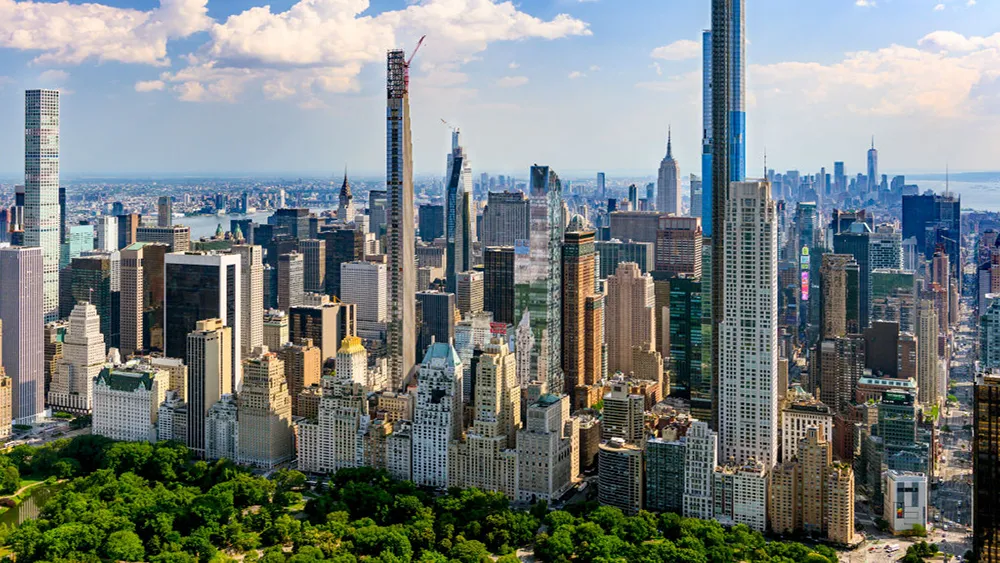
Manhattan has long been synonymous with luxury real estate. From penthouses overlooking Central Park to ultra-modern skyscrapers along Billionaires’ Row, the borough remains one of the world’s most prestigious property markets. In 2026, the luxury segment continues to show remarkable resilience despite global economic uncertainty, higher interest rates, and shifting urban living patterns.
While the broader housing market in many cities has slowed, Manhattan’s high-end real estate sector is experiencing renewed momentum. Wealthy buyers, international investors, and institutional capital continue to view luxury property in Manhattan as both a lifestyle purchase and a long-term investment.
This article explores the key luxury real estate trends shaping Manhattan this year, including rising prices, strong demand for new developments, and changing buyer preferences.
A Strong Comeback for Manhattan Luxury Real Estate
One of the most significant trends this year is the strong recovery of Manhattan’s luxury housing market.
Luxury homes—typically defined as properties priced above $4 million—have seen strong sales growth. In recent market data, Manhattan recorded over 1,400 luxury contracts in a single year, representing an 11% increase compared with the previous year.
Total sales in this segment reached nearly $12 billion, making it one of the strongest years for high-end real estate since the mid-2000s housing boom.
The surge reflects continued confidence among affluent buyers who view Manhattan real estate as a stable asset during periods of financial volatility.
Another factor behind this resurgence is global wealth growth. High-net-worth individuals are increasingly diversifying their portfolios with real estate in major global cities, and Manhattan remains at the top of that list.
Rising Prices in the Ultra-Luxury Market
The ultra-luxury segment—properties priced above $10 million or $20 million—has been particularly active.
Recent reports show that in a single week of transactions:
- 33 luxury contracts were signed above $4 million
- 13 deals exceeded $10 million
- Ultra-luxury homes reached average prices above $7,000 per square foot.
Price-per-square-foot metrics have also climbed sharply. In early 2026, luxury properties above $5 million averaged nearly $4,000 per square foot, representing a 35% year-over-year increase.
These figures highlight a key reality of Manhattan’s real estate market: the highest tiers are often insulated from economic pressure. Many luxury buyers purchase properties with cash, reducing the impact of rising mortgage rates.
In fact, nearly 90% of purchases above $3 million are all-cash transactions, illustrating the strong liquidity of Manhattan’s wealthy buyer pool.
Luxury Condominiums Continue to Dominate
Another major trend this year is the continued dominance of luxury condominiums.
While Manhattan historically relied heavily on co-op apartments, modern buyers increasingly prefer condos because they offer:
- fewer restrictions
- greater flexibility for international buyers
- easier rental and resale opportunities
Market data shows condos outselling co-ops by more than three-to-one in the luxury segment, with new developments accounting for roughly half of all luxury condo sales.
This trend reflects a broader shift in Manhattan’s housing market. Luxury buyers today often prioritize convenience, amenities, and modern architecture over traditional building types.
Trophy Properties and “Statement” Homes
Luxury real estate in Manhattan is increasingly defined by “trophy properties”—one-of-a-kind residences designed to stand out in the global market.
These homes often feature:
- private elevators
- panoramic skyline views
- hotel-style amenities
- custom architecture and interior design
Recent listings illustrate how extreme luxury has become. For example, a Tribeca penthouse recently listed for $20 million includes a four-story interior slide, climbing wall, and glass bridges connecting multiple floors.
While such properties represent the very top of the market, they highlight the growing emphasis on unique design and lifestyle features.
Ultra-wealthy buyers increasingly seek homes that function as both residences and personal showcases.
New Development Is Driving Market Activity
Newly constructed luxury buildings are another major force shaping Manhattan’s real estate market this year.
Developments in neighborhoods such as:
- Hudson Yards
- Midtown East
- the Financial District
have introduced hundreds of high-end residential units.
New development projects often include features designed to attract affluent buyers, such as:
- concierge services
- wellness centers and spas
- private dining rooms
- rooftop lounges
- advanced smart-home technology
Because many of these properties are brand-new, they command premium prices compared to older buildings.
In some cases, luxury residences in boutique developments have reached over $4,600 per square foot.
This growing focus on luxury new construction has reshaped Manhattan’s skyline in recent years.
Limited Inventory Is Supporting High Prices
Another important trend this year is the declining inventory of luxury properties.
In recent market reports, luxury inventory dropped by more than 16% year-over-year, even as demand continued rising.
This supply-demand imbalance has created a seller’s market for many high-end properties.
The combination of limited inventory and steady demand helps explain why luxury prices have remained strong despite economic uncertainty.
The Rise of West Side and Downtown Luxury
For decades, Manhattan’s luxury market was dominated by neighborhoods surrounding Central Park, including the Upper East Side and Billionaires’ Row.
Today, however, the geography of luxury real estate is shifting.
High-end buyers are increasingly interested in neighborhoods such as:
- Tribeca
- the West Village
- Hudson Yards
- the Financial District
The West Side waterfront, in particular, has become a major luxury destination thanks to new developments and modern architecture.
Some penthouses in these areas have reached over $9,000 per square foot, demonstrating the growing prestige of downtown luxury locations.
International Buyers Are Returning
International investors have historically played a major role in Manhattan’s luxury housing market.
After slowing during the pandemic years, global buyers are returning to the city.
Manhattan is often seen as a “safe haven” for global wealth because of its:
- stable legal system
- global financial importance
- limited land supply
High-net-worth individuals from Europe, Asia, and the Middle East frequently purchase luxury apartments in Manhattan as investment assets or secondary residences.
Cash Buyers Are Dominating the Market
One of the defining features of Manhattan’s luxury real estate market is the dominance of cash buyers.
Because many affluent buyers do not rely on mortgages, they are less affected by rising interest rates.
As a result, luxury transactions continue even when borrowing costs increase.
This dynamic explains why the high-end housing market often performs differently from the broader real estate market.
Lifestyle Amenities Are Becoming More Important
Modern luxury buyers expect far more than just square footage.
Today’s high-end residential buildings compete with five-star hotels by offering premium lifestyle amenities.
Some of the most popular features include:
- private wellness spas
- indoor swimming pools
- fitness studios with personal trainers
- wine cellars and tasting rooms
- coworking spaces and business lounges
These amenities are designed to provide residents with a fully integrated luxury lifestyle without leaving their building.
Technology and Smart Homes
Technology is another growing trend in Manhattan luxury real estate.
High-end homes now often include:
- AI-powered home automation
- advanced security systems
- biometric access controls
- voice-activated lighting and climate systems
Smart home technology has become a key selling point for modern luxury buyers.
Manhattan Remains a Global Luxury Capital
Despite changing market conditions, Manhattan continues to hold a unique position in the global luxury real estate market.
Few cities offer the same combination of:
- cultural influence
- financial power
- architectural prestige
- international demand
Even during periods of economic uncertainty, wealthy buyers continue to view Manhattan real estate as both a status symbol and a long-term investment.
Final Thoughts
The Manhattan luxury real estate market in 2026 is defined by strong demand, limited inventory, and rising prices at the highest end of the market.
Key trends shaping the sector include:
- increasing ultra-luxury sales above $10 million
- strong demand for new condominium developments
- the growing importance of lifestyle amenities and smart technology
- rising interest in downtown and West Side neighborhoods
- the continued dominance of cash buyers
While the broader housing market may experience fluctuations, Manhattan’s luxury sector remains remarkably resilient.
For investors, developers, and affluent buyers alike, the borough continues to represent one of the most prestigious and competitive real estate markets in the world.