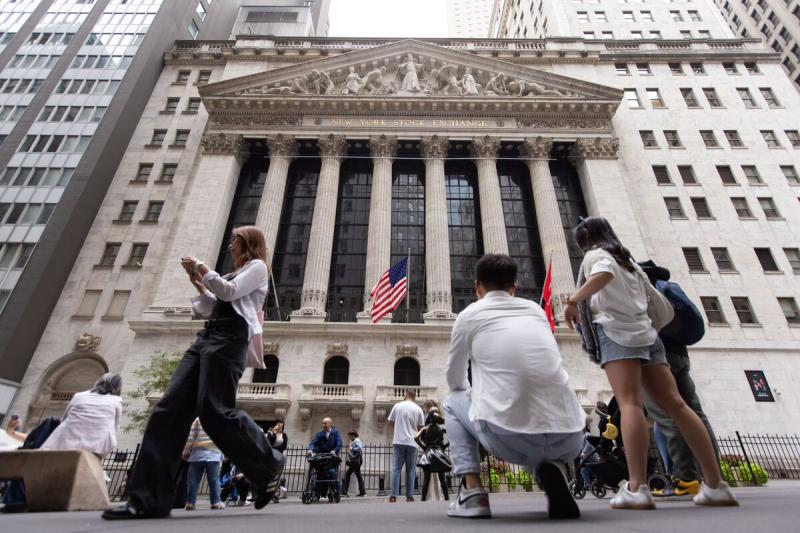
Over the past decade, New York City has undergone a remarkable transformation. Once known primarily as the global capital of finance, media, and advertising, the city has rapidly evolved into one of the most important technology ecosystems in the world. A major driver of this transformation has been venture capital.
Venture capital firms have poured billions of dollars into New York startups, fueling innovation across sectors such as fintech, artificial intelligence, e-commerce, and health technology. This influx of funding has helped entrepreneurs launch companies, attract talent, and scale their businesses faster than ever before.
Today, venture capital is reshaping the NYC tech landscape—creating new opportunities for founders, investors, and the broader economy.
The Rise of Venture Capital in New York
For many years, most venture capital investment in the United States was concentrated in Silicon Valley. However, New York has steadily gained ground and is now considered the second-largest startup investment hub in the country.
In recent years, venture capital investment in New York startups has reached tens of billions of dollars annually, supporting thousands of early-stage companies across multiple industries.
This growth reflects a broader shift in the startup ecosystem. Investors increasingly recognize that innovation is happening outside traditional tech hubs, and New York offers unique advantages due to its diverse economy and global influence.
As a result, many venture capital firms have expanded their presence in the city or launched new funds dedicated specifically to NYC startups.
More Funding for Early-Stage Startups
One of the most significant ways venture capital is changing the NYC tech scene is by increasing access to funding for early-stage founders.
Historically, entrepreneurs often struggled to secure early funding outside Silicon Valley. Today, however, seed and Series A funding opportunities in New York have expanded dramatically.
Early-stage venture funds now actively seek promising startups in areas such as:
- artificial intelligence
- financial technology
- enterprise software
- cybersecurity
- healthcare technology
- climate technology
This expansion of early-stage funding allows founders to turn ideas into real companies much more quickly.
In many cases, startups can raise seed funding in just a few months—something that was far more difficult a decade ago.
The Growth of Fintech Investment
Fintech has become one of the largest recipients of venture capital in New York.
Because the city is home to major financial institutions, fintech startups have a unique advantage: they can build products directly alongside the customers they aim to serve.
Venture capital firms have heavily invested in companies developing solutions for:
- digital banking platforms
- payment infrastructure
- financial automation tools
- fraud detection systems
- cryptocurrency and blockchain technologies
This combination of financial expertise and venture capital support has helped establish New York as one of the world’s leading fintech innovation hubs.
Artificial Intelligence Startups Are Booming
Another sector experiencing massive venture capital investment in New York is artificial intelligence.
AI startups in the city are developing technologies that apply machine learning and automation to industries such as finance, healthcare, marketing, logistics, and media.
Many venture capital firms now prioritize AI investments because they believe the technology will transform nearly every sector of the economy.
In New York, AI companies benefit from access to large corporate partners who are eager to implement automation and data-driven decision systems.
This demand has led to a surge of AI-focused startups across the city.
More Unicorn Companies Emerging
The rise of venture capital funding has also contributed to the creation of more “unicorn” startups—companies valued at over $1 billion.
New York has produced dozens of unicorn companies in recent years, spanning industries such as fintech, software, e-commerce, and digital media.
These successful startups play an important role in strengthening the ecosystem. When companies achieve major valuations or exit through acquisitions or IPOs, founders and early employees often reinvest their wealth into new startups as angel investors or venture capitalists.
This cycle creates a powerful feedback loop that continues to expand the tech ecosystem.
Venture Capital Is Attracting Talent to NYC
Another major impact of venture capital investment is the influx of talent into New York’s technology sector.
When startups receive funding, they use that capital to hire engineers, designers, marketers, and product managers.
As a result, thousands of technology professionals have moved to New York to work in startups or join rapidly growing tech companies.
The city’s strong talent pipeline is also supported by major universities that produce skilled graduates every year.
Because venture capital fuels startup growth, it indirectly helps build the workforce that powers the entire tech ecosystem.
Startup Infrastructure Is Expanding
Venture capital has also helped expand the physical and organizational infrastructure supporting startups in New York.
Across Manhattan and Brooklyn, new coworking spaces, startup accelerators, and incubators have emerged to support early-stage companies.
Many venture capital firms also offer mentorship programs, networking events, and advisory services for founders.
This ecosystem includes:
- startup accelerators
- venture studios
- innovation labs
- technology incubators
- industry partnerships
These resources help entrepreneurs navigate the challenges of building and scaling companies.
Corporate Partnerships Are Increasing
One unique aspect of the NYC tech ecosystem is the strong collaboration between startups and large corporations.
Venture capital often facilitates these partnerships by connecting startups with potential enterprise customers.
For example:
- fintech startups collaborate with banks and financial institutions
- media startups work with advertising and publishing companies
- healthcare startups partner with hospitals and medical research centers
These partnerships help startups validate their products, generate revenue, and scale faster.
Because New York hosts so many major corporations, startups can test and refine their solutions in real-world environments.
Global Investors Are Entering the NYC Market
New York’s growing reputation as a tech hub has also attracted international investors.
Venture capital firms from Europe, Asia, and the Middle East increasingly invest in NYC startups.
These investors view New York as a strategic gateway to the North American technology market.
Global investment brings additional funding opportunities and expands the international reach of NYC startups.
Venture Capital Is Encouraging Industry Diversity
Another major advantage of New York’s venture capital ecosystem is its diversity.
Unlike some technology hubs that focus heavily on a single sector, New York startups span many industries.
This includes:
- fintech
- artificial intelligence
- healthtech
- proptech (real estate technology)
- media technology
- fashion technology
- climate and sustainability startups
Because venture capital firms invest across multiple sectors, the NYC tech ecosystem is less dependent on a single industry.
This diversity makes the ecosystem more resilient during economic shifts.
Challenges Facing the Venture Capital Ecosystem
Despite its rapid growth, venture capital investment in New York also faces challenges.
Some of the key issues include:
High Operating Costs
New York remains one of the most expensive cities in the world for both startups and employees.
Competitive Funding Environment
As more startups launch in the city, competition for venture capital funding has intensified.
Economic Uncertainty
Global economic conditions and interest rate changes can affect venture capital investment activity.
However, despite these challenges, the long-term outlook for NYC venture funding remains strong.
The Future of Venture Capital in NYC
Looking ahead, several trends are expected to shape the next phase of venture capital investment in New York:
- increased funding for AI and automation startups
- growth in climate and sustainability technologies
- expansion of fintech and financial infrastructure companies
- more collaboration between startups and traditional industries
- rising participation from international venture investors
As these trends continue, venture capital will likely remain one of the most important forces shaping the future of the NYC tech ecosystem.
Venture capital has played a critical role in transforming New York City into a major global technology hub. By providing funding, mentorship, and industry connections, venture investors help entrepreneurs turn innovative ideas into scalable businesses.
This investment not only fuels startup growth but also strengthens the broader economy by creating jobs, attracting talent, and encouraging technological innovation.
As venture capital continues to flow into New York’s startup ecosystem, the city’s technology sector is likely to expand even further—solidifying its position as one of the most important centers of innovation in the world.