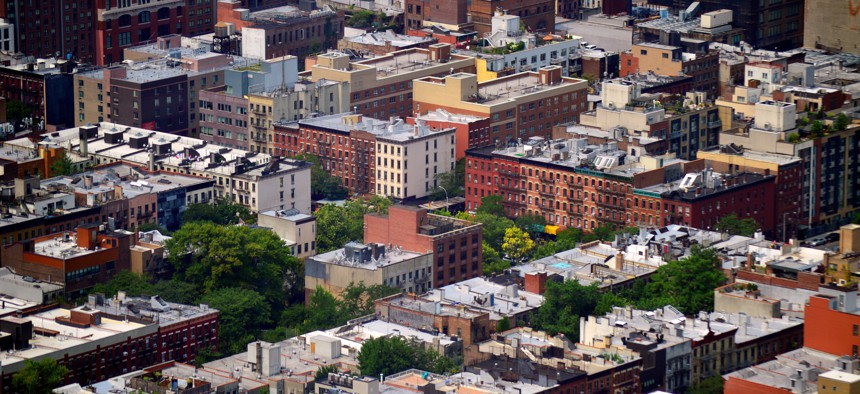
New York City has been facing a severe housing affordability crisis for years. With limited housing supply, rising demand, and increasing living costs, rent prices have continued to climb across many neighborhoods. In response, city and state leaders have introduced several new housing laws and policy changes aimed at stabilizing rents, protecting tenants, and expanding housing supply.
These legal changes could significantly affect how rent prices evolve in the coming years. Some policies aim to reduce rent increases and protect renters, while others attempt to boost housing construction and address long-term supply shortages.
This article explores the most important new housing laws and how they could influence rent prices across New York City.
New Rent Rules for Stabilized Apartments
One of the most immediate ways housing laws affect rents is through the Rent Guidelines Board, which sets allowable increases for rent-stabilized apartments.
Nearly one million apartments in NYC are rent-stabilized, meaning landlords can only raise rents within limits set each year. For leases beginning between October 2025 and September 2026, the board approved rent increases of:
- Up to 3% for one-year leases
- Up to 4.5% for two-year leases
These caps help protect tenants from sudden rent spikes. However, even small increases can accumulate over time, especially for residents who have already faced several rent hikes in recent years.
Some tenant advocates argue that even these increases are too high during a housing affordability crisis, while landlords claim they are necessary to offset rising costs like insurance, maintenance, and property taxes.
New Rent Transparency Requirements
Another important change affecting NYC renters is the Rent Transparency Act, implemented in 2026.
Under this law, buildings that contain rent-stabilized apartments must post clear notices informing tenants about the presence of regulated units and explaining how residents can verify whether their apartment is rent-stabilized.
The goal is to prevent situations where tenants are unknowingly charged more than the legal rent.
City officials say transparency can help tenants:
- understand their legal rent status
- identify potential overcharges
- challenge illegal rent increases
While this law does not directly cap rent prices, it strengthens enforcement of existing rent regulations and could prevent unlawful increases.
Ban on AI-Driven Rent Price Fixing
One of the most controversial housing policies introduced recently involves the use of software to set rental prices.
New York became the first U.S. state to ban AI-driven rent pricing tools used by landlords to automatically adjust rental prices across multiple properties.
These algorithmic tools were widely criticized for potentially coordinating rent increases across buildings by analyzing market data and occupancy levels.
Supporters of the ban argue that:
- algorithmic pricing can artificially inflate rents
- software-driven pricing may encourage landlords to raise rents simultaneously
- the technology could distort the housing market
By banning this practice, lawmakers hope to prevent coordinated rent increases and keep pricing more competitive.
Laws Targeting Large Real Estate Investors
Another recent policy aims to limit the influence of large institutional investors in the housing market.
New legislation introduced as part of New York’s housing policy reforms discourages large investment firms from purchasing large numbers of single-family homes. In some cases, institutional buyers must wait 90 days before making offers on certain homes, giving individuals a better chance to buy properties.
The reasoning behind this policy is that institutional investors can drive up housing prices by buying homes in bulk and converting them into rentals.
By limiting these purchases, lawmakers hope to:
- increase homeownership opportunities
- reduce investor-driven housing speculation
- stabilize housing prices in certain neighborhoods
If successful, this policy could gradually reduce upward pressure on rents.
Major Investment in Affordable Housing
New York State has also committed billions of dollars to housing programs designed to increase supply.
Recent housing legislation includes over $1.5 billion in funding to support affordable housing development, infrastructure improvements, and programs that assist people at risk of homelessness.
Some initiatives include:
- funding for mixed-income housing projects
- programs encouraging communities to build more housing
- rental voucher programs for vulnerable households
- redevelopment of vacant properties
Increasing housing supply is widely considered one of the most effective ways to reduce rent pressure over the long term.
Condo Conversion Policies
Another policy included in recent housing reforms allows certain large rental buildings to partially convert to condominiums while preserving affordable units.
Under this framework:
- buildings with more than 100 units may convert some units to condos
- affordable units must remain regulated
- nonprofit organizations may oversee affordability requirements
The goal is to preserve affordable housing that might otherwise disappear when tax incentives expire.
These policies could help maintain the supply of regulated apartments in neighborhoods facing rapid gentrification.
Short-Term Rental Regulations
New York City has also introduced strict regulations on short-term rentals such as Airbnb.
Rules require hosts renting units for fewer than 30 days to register with the city and stay in the property during the rental period. These restrictions significantly reduced the number of short-term rentals available across the city.
Supporters of these rules argue that:
- short-term rentals remove apartments from the long-term housing market
- reducing them increases the number of available rental units
However, critics say these rules could reduce tourism income and increase hotel prices during major events.
The Bigger Problem: Housing Supply
While many laws attempt to control rent increases or regulate landlords, economists often emphasize that New York’s housing shortage remains the biggest driver of rent prices.
The city’s vacancy rate is extremely low, meaning demand continues to exceed available housing.
Without enough new housing construction, rent prices may continue rising regardless of regulations.
This is why many housing policies now focus on increasing housing supply through new construction and redevelopment.
Potential Impact on Rent Prices
The combined effect of these new housing laws could shape NYC rent prices in several ways.
Possible Downward Pressure on Rents
Some policies could help reduce rent growth:
- banning AI pricing tools
- expanding affordable housing programs
- limiting large investor purchases
- enforcing rent-stabilization rules
Possible Upward Pressure on Rents
Other factors may still push rents higher:
- limited housing supply
- rising construction costs
- higher property taxes and maintenance expenses
- strong population demand
As a result, rent prices may continue rising in some parts of the city even as tenant protections increase.
What This Means for NYC Renters
For tenants, the new housing laws provide several potential benefits:
- greater transparency about rent-stabilized apartments
- limits on rent increases for regulated units
- stronger protections against unfair pricing practices
- expanded affordable housing programs
However, many renters will still face high housing costs, particularly in market-rate apartments that are not subject to rent stabilization.
New housing laws in New York City represent one of the most ambitious efforts in years to address the city’s affordability crisis. By regulating rent increases, limiting investor influence, banning algorithmic price-setting, and investing billions in affordable housing, policymakers hope to stabilize the housing market.
Yet the long-term success of these policies will likely depend on one key factor: whether the city can build enough housing to meet demand.
If housing supply expands significantly, rent growth could slow in the coming years. But if demand continues to outpace construction, rents in New York may remain among the highest in the world.